

Every street in Kolkata holds a Story- Ishan Ghose
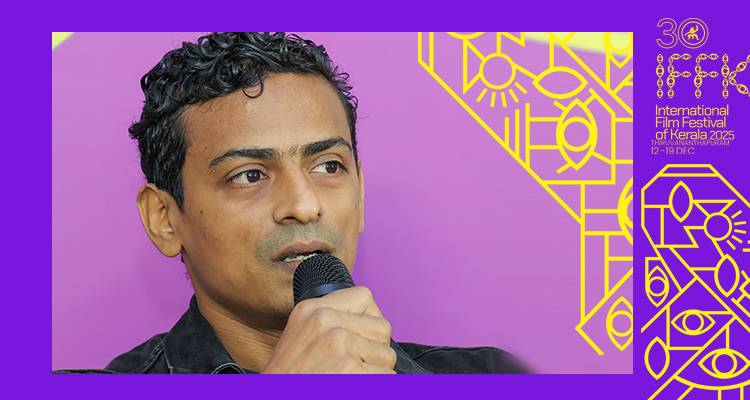
Kolkata, with its streets teeming with stories, comes alive on screen in Morichika (Mirage), directed by Ishan Ghose. The film, showcased under the ‘Indian Cinema Now’ category at the 30th IFFK, received an overwhelmingly positive response from audiences.
Ishan Ghose, son of acclaimed director Goutam Ghose and also the film’s cinematographer, editor, writer, and production designer, shares his reflections on the creative journey behind the film in an exclusive interview conducted as part of the 30th IFFK.
Q: Films set in Indian cities often emphasize poverty and despair. With Morichika, you introduce youth culture, the digital space, and contemporary music. Were you consciously trying to expand how Kolkata is cinematically imagined?
A: Absolutely. Like any other metropolis, Kolkata is built on many layers. There are countless people, especially those who migrate here for work, whose efforts sustain the city. I’ve always been drawn to the struggles of the common man. As a filmmaker, empathy for others’ experiences is essential. If I were to approach any random person on the street, they’d have a story to tell—and that’s what captivates me.
Q: The film operates through three parallel strands—Priya, Kishan, and the city itself. How did you approach Kolkata as an active presence shaping the characters’ lives?
A: The city is a vital character in itself. The environment you inhabit becomes part of you, shaping your reality. These spaces and biomes influence our existence. For many, the city represents dreams and keeps hope alive. It is a symbol of aspiration and possibility.
Q: You handled direction, writing, cinematography, editing, and production design yourself. How did this level of control influence the emotional and ethical responsibility toward the film?
A: It comes with immense pressure and demands tremendous effort. But having such control also makes the work deeply personal. With limited funds, I had no choice but to immerse myself fully and make the process entirely my own.
Q: Priya’s life straddles physical labour and online self-presentation through YouTube. What interested you about digital platforms as both a space of empowerment and vulnerability?
A: Social media is a space for self-expression. Cinema, even today, remains inaccessible to many. Platforms like YouTube allow ordinary people to have their voices heard. I wanted this dynamic—the blend of empowerment and vulnerability—to be reflected in my characters.
Q: The film portrays patriarchy as embedded in everyday relationships. Can you elaborate?
A: Avoiding moral simplification was crucial for me. In Kolkata, this reality is particularly visible. Many men tend to avoid responsibility, while women increasingly assert themselves—seeking employment, pursuing ambitions, and reaching positions of authority. This contrast felt essential to portray authentically.
Q: How do you feel about coming to Kerala for IFFK?
A: I feel deeply grateful and overwhelmed by the warm, heartfelt responses I’ve received here. IFFK is a beautiful festival, and Kerala has a rich legacy of exceptional filmmakers, including legends like Adoor Gopalakrishnan. It is truly an honour to screen my film here.
Download Mobile Apps: